End Hearing Loss Loneliness: How Modern Hearing Aids Bring Back Life's Noise and Warmth
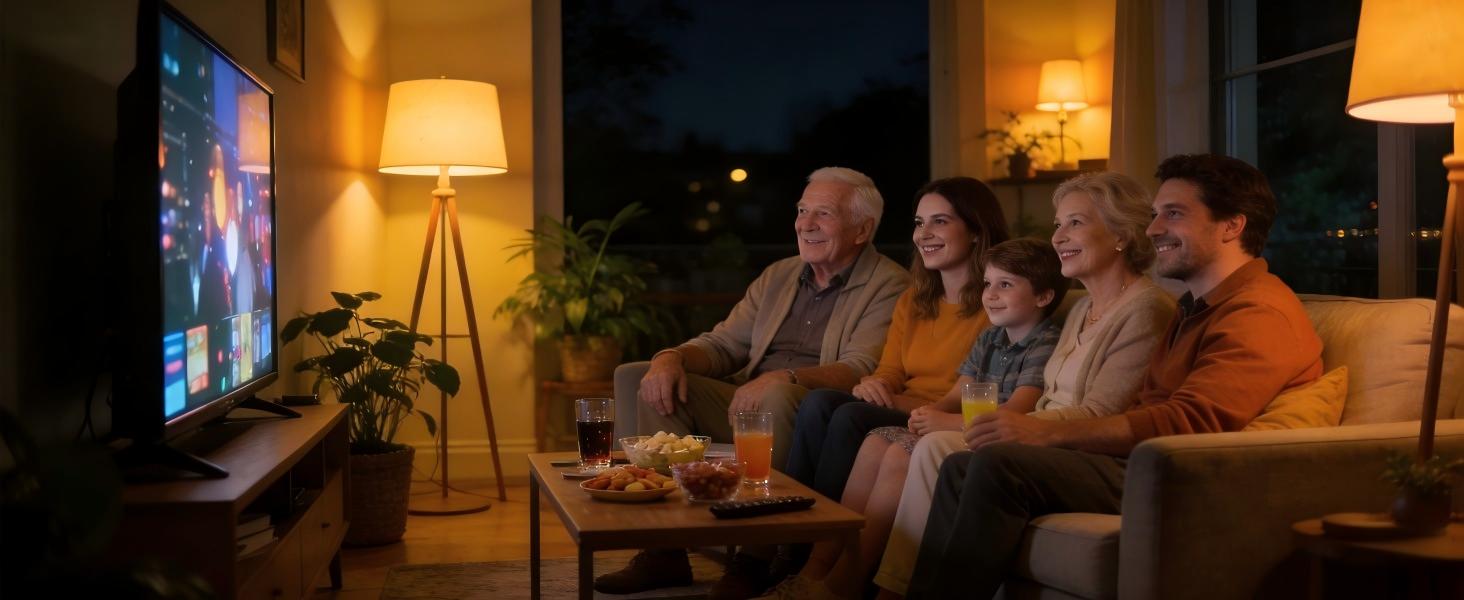
Every evening, in thousands of homes, the same quiet war plays out. He turns the TV volume to 30. She says it's too loud. He drops it to 20 - but now the dialogue sounds like mumbling under water. She sighs and retreats to the bedroom with her phone. He finishes the show alone, watching lips move and guessing the plot from body language.
This isn't just a TV problem. It's not even just a hearing problem. It's hearing loss loneliness - a slow, invisible withdrawal from the people and moments that once brought joy. Globally, over 430 million people live with disabling hearing loss (WHO), yet most never seek help. Why? Because the first symptom isn't silence. It's exhaustion.
But here's what nobody tells you: it doesn't have to be this way.
What Is "Hearing Loss Loneliness"?
Hearing loss loneliness is a unique form of isolation. It occurs when the body is present but the emotional connection is lost-when you can't fully hear conversations, laughter, or the small, meaningful moments that make family life feel warm.
It's Not About "Not Hearing" - It's About "Not Daring to Connect"
Many seniors with hearing loss don't just "can't hear"-they "dare not connect." They're afraid of asking others to repeat themselves too many times, fear appearing annoying or incompetent, and dread being judged for their hearing loss.
As a result, they often choose silence. They stop joining family chats, , refrain from asking questions, and avoid activities where they might struggle to hear. This isn't stubbornness-it's self-protection. They'd rather be alone than risk embarrassment, and over time, this "daring not to connect" turns into a habit of isolation.
It's Common in Seniors, But Can Happen at Any Age
Yes, age is the biggest risk factor. Roughly one in three people over 65 live with hearing loss that affects daily life (NIDCD)2. Among those over 75, nearly half are affected. That's just biology. The tiny hair cells in your inner ear wear down over decades - like the tread on a well-loved pair of shoes.
But here's what too many people get wrong: hearing loss isn't only an old person's problem. Millions of adults in their 30s, 40s, and 50s also struggle - often from years of loud music, noisy workplaces, power tools without protection, or simply genetics. So yes, hearing loss touches every age. But the loneliness it causes cuts deepest in those who have spent a lifetime building relationships, raising families, and cultivating friendships.
It Is Reversible - If You Take the First Step
The good news is that hearing loss loneliness is not permanent. The brain exhibits significant plasticity, which means social habits can be relearned. Reconnection becomes possible once the first step is taken: acknowledging the problem and seeking help. From there, the path back to engagement and meaningful social interaction becomes clear.
The key is to understand that seeking help for hearing loss isn't a sign of weakness; it's a sign of courage-a choice to reconnect with the people and moments they love. With the right support and the right tools, seniors can break free from hearing loss loneliness and step back into the entertainment of family life.
Hearing Loss: The Overlooked Killer of Quality Life
Hearing loss is often dismissed as a "minor inconvenience," but it's actually a silent killer of quality of life. It doesn't just affect their ability to hear; it affects their mental health, their cognitive function, and their overall well-being.
Mental Costs: Depression, Anxiety, and Social Withdrawal
Seniors with hearing loss often avoid social situations-family gatherings, community events, church services-because they're afraid of not hearing, of being embarrassed, or of being a burden. This social avoidance only worsens their loneliness, creating a vicious cycle: the more they avoid socializing, the more isolated they feel, and the more their mental health suffers.
Over time, this can lead to a loss of interest in activities they once enjoyed, a decline in self-esteem, and even thoughts of hopelessness.
Cognitive Costs: Auditory Deprivation and Dementia Risk
Here's a metaphor that might surprise you: your auditory nerve is like a muscle. If you stop using a muscle, it atrophies. The same thing happens when your ears stop delivering clear signals to your brain. This is a phenomenon called "auditory deprivation": when the brain doesn't receive enough sound stimulation, the areas responsible for processing sound and language begin to shrink and weaken.
The TV Scene: The Most Hidden Battlefield of "Hearing Loss Loneliness" at Home
Few articles on hearing loss talk enough about television. But here's a fact: TV is often the longest-running, most frustrating daily confrontation for adults with unaddressed hearing loss.
Why Is TV Particularly Unfriendly to People with Hearing Loss?
TV is uniquely challenging for people with hearing loss for several reasons.
First, TV dialogue is often mixed with background music, sound effects, or ambient noise, making it hard to distinguish speech from other sounds.
Second, TV dialogue is often spoken at a consistent volume, with no adjustment for people with hearing loss.
Third, many TV shows and movies have fast-paced dialogue, with characters talking over each other, making it even harder to follow.
Finally, the TV is often placed at a distance from the viewer, which can reduce sound clarity for people with hearing loss.
All these factors combined make TV a frustrating experience for seniors with hearing loss-and a breeding ground for hearing loss loneliness.
How the "Volume War" Drifts Families Apart
The television volume war doesn't start as a war. It starts as a tiny adjustment: one person turns up the TV by a few notches. Another asks to turn it down just a little. Then comes the first night when one person retreats to another room because the volume is unbearable. Over weeks, the shared living room stops being shared.
The person with hearing loss feels blamed for something they didn't choose. They didn't ask for their ears to fade. But at the dinner table or on the couch, the unspoken message can feel like: "Your hearing is ruining our evening." What starts as a volume mismatch ends as a wedge - and eventually, two people who once watched every episode together now sit in separate rooms.
But here's the truth: it doesn't have to be this way.
Direct Comparison of Three Solutions
If you or someone you love struggles with TV hearing, you may have already looked for solutions. Let's compare the three most common approaches honestly.
Option One: TV Headphones / Sound Amplifiers
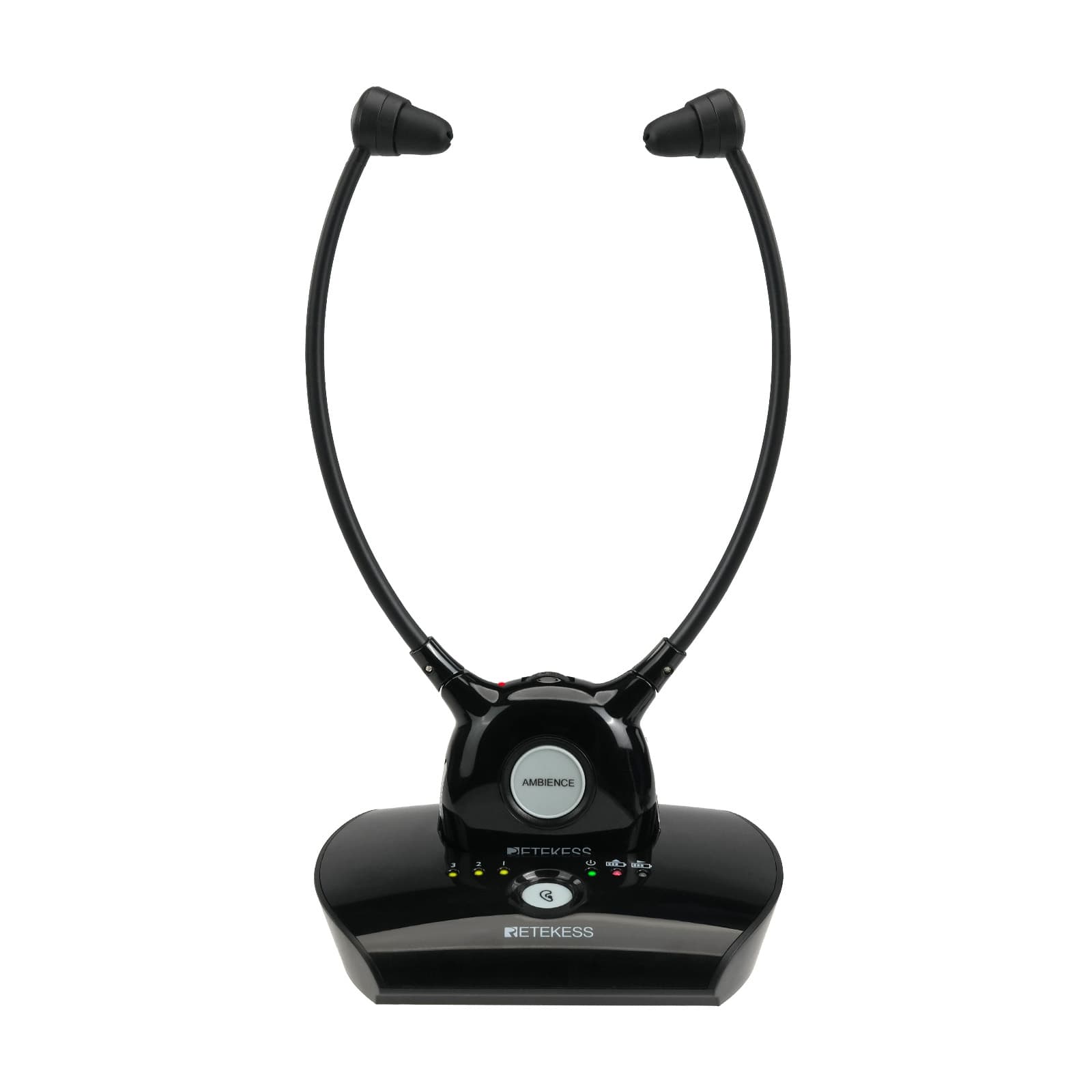
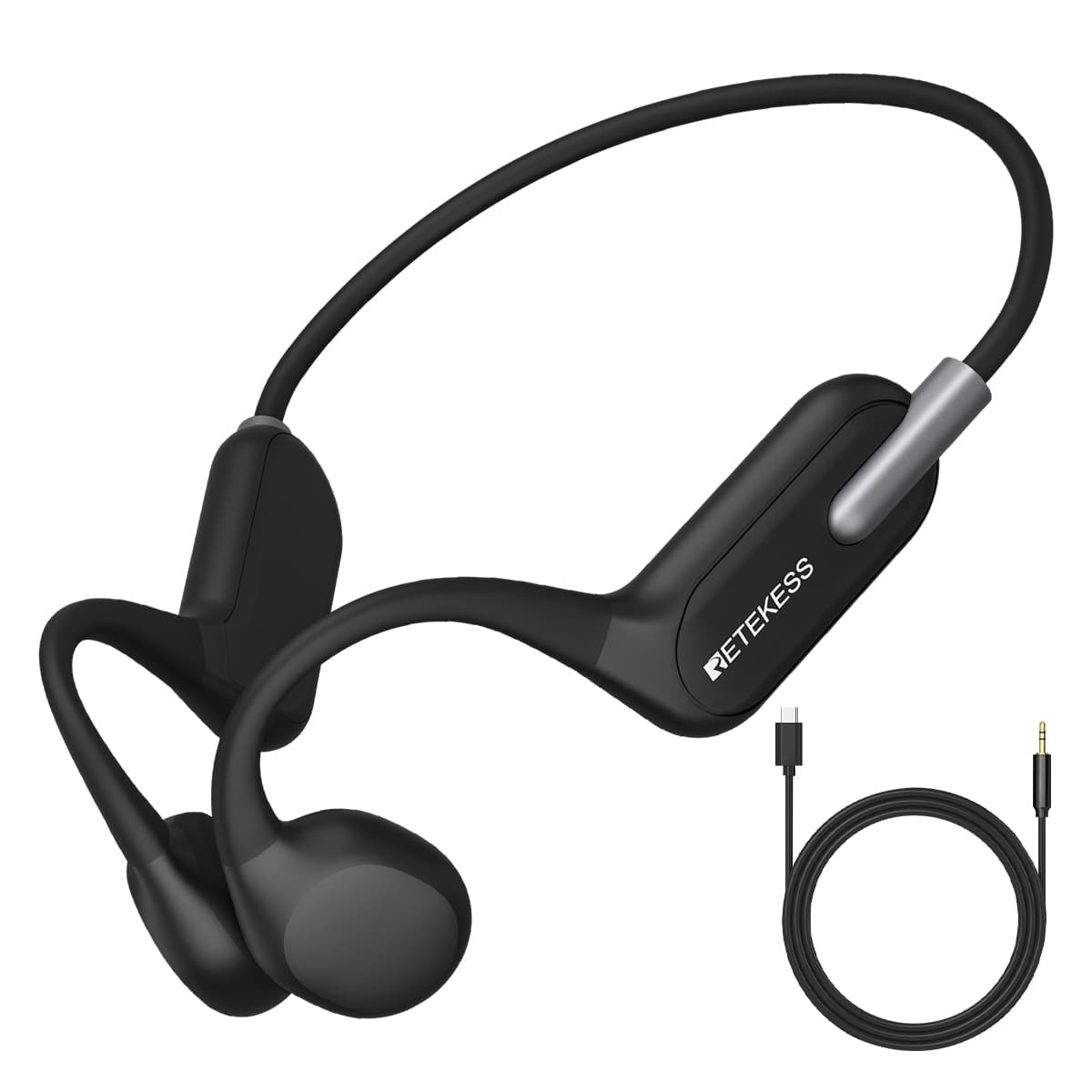
TV headphones and sound amplifiers are the most affordable option, often costing less than $50. They're easy to set up-simply plug them into the TV or connect via Bluetooth-and they amplify TV sound directly into the senior's ears. At first glance, they seem like a perfect solution: cheap, simple, and focused on TV listening.
But appearances can be deceiving. Amplifiers don't distinguish between speech and noise because they have no sound-processing chip designed for human hearing. Worse, over-amplification can actually damage your remaining hearing over time.
And once you turn off the TV, TV headphones are not a long-term solution.
Option Two: Traditional Hearing Aids + TV Audio Streamer
Yes, premium prescription hearing aids offer crystal-clear sound with frequency shaping tailored to your specific audiogram. And yes, you can add a TV audio streamer that beams sound directly from your television to your hearing aids with almost no lag.
But there's a catch: it's extremely expensive. Traditional hearing aids can cost $2,000-$5,000 per ear, and TV streamer accessories add another $300-$500. For most families, this is a prohibitive cost-out of reach for seniors on a fixed income. Additionally, traditional hearing aids are often bulky and obvious, which can make seniors self-conscious and less likely to wear them.
While this solution works well, it's not accessible to most sufferers, making it an impractical choice for ending hearing loss loneliness on a large scale.
Option Three: CIC Hearing Aids for Watching TV
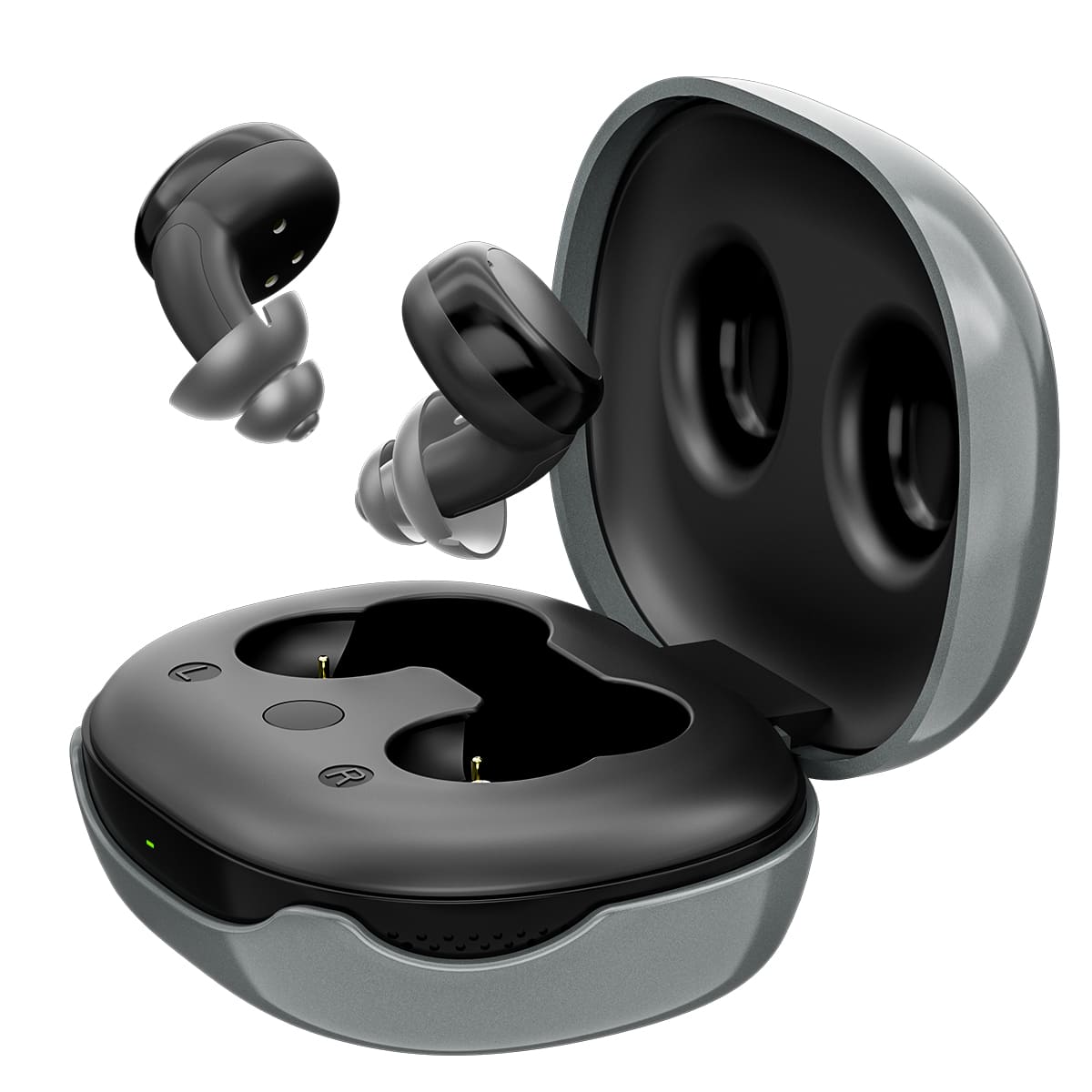
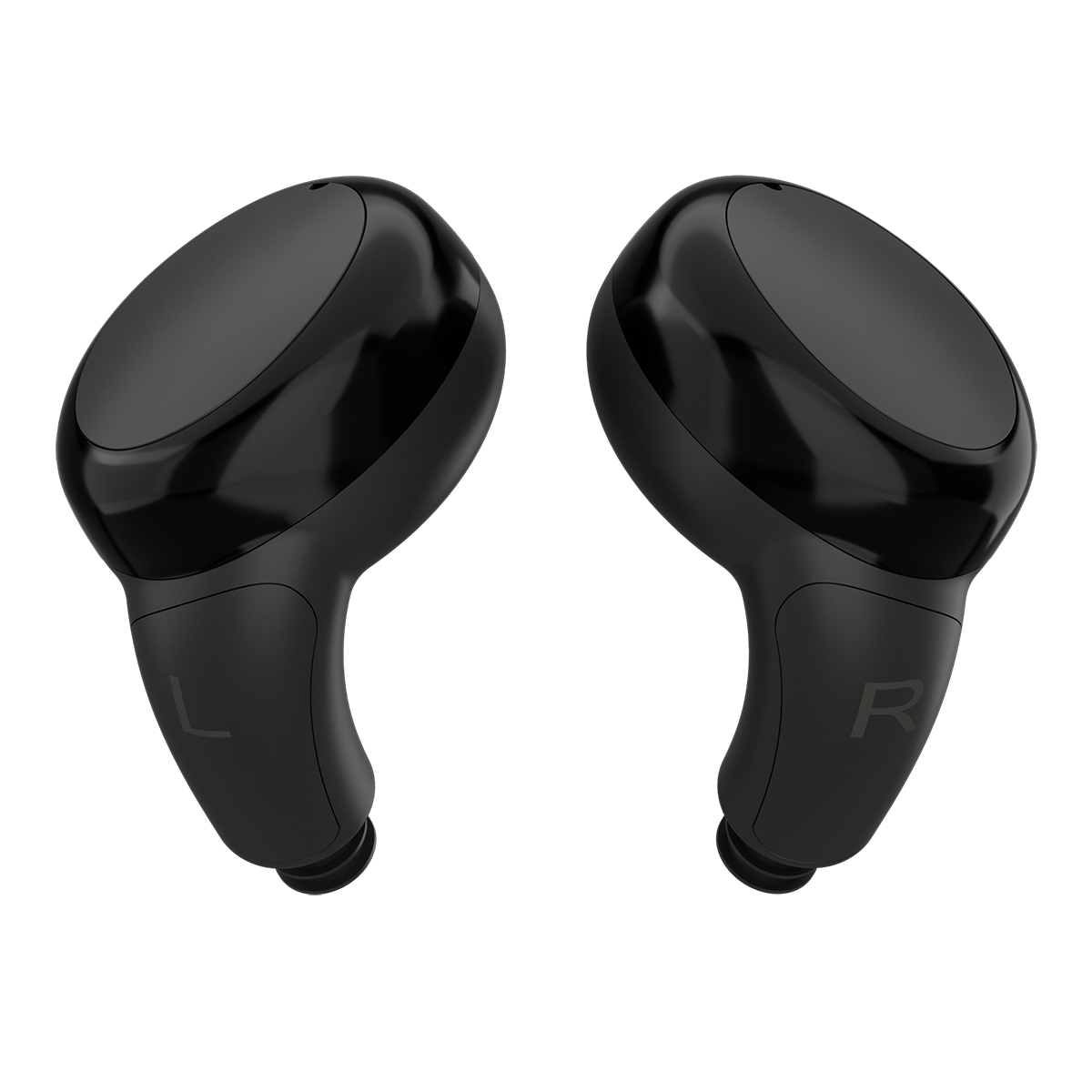
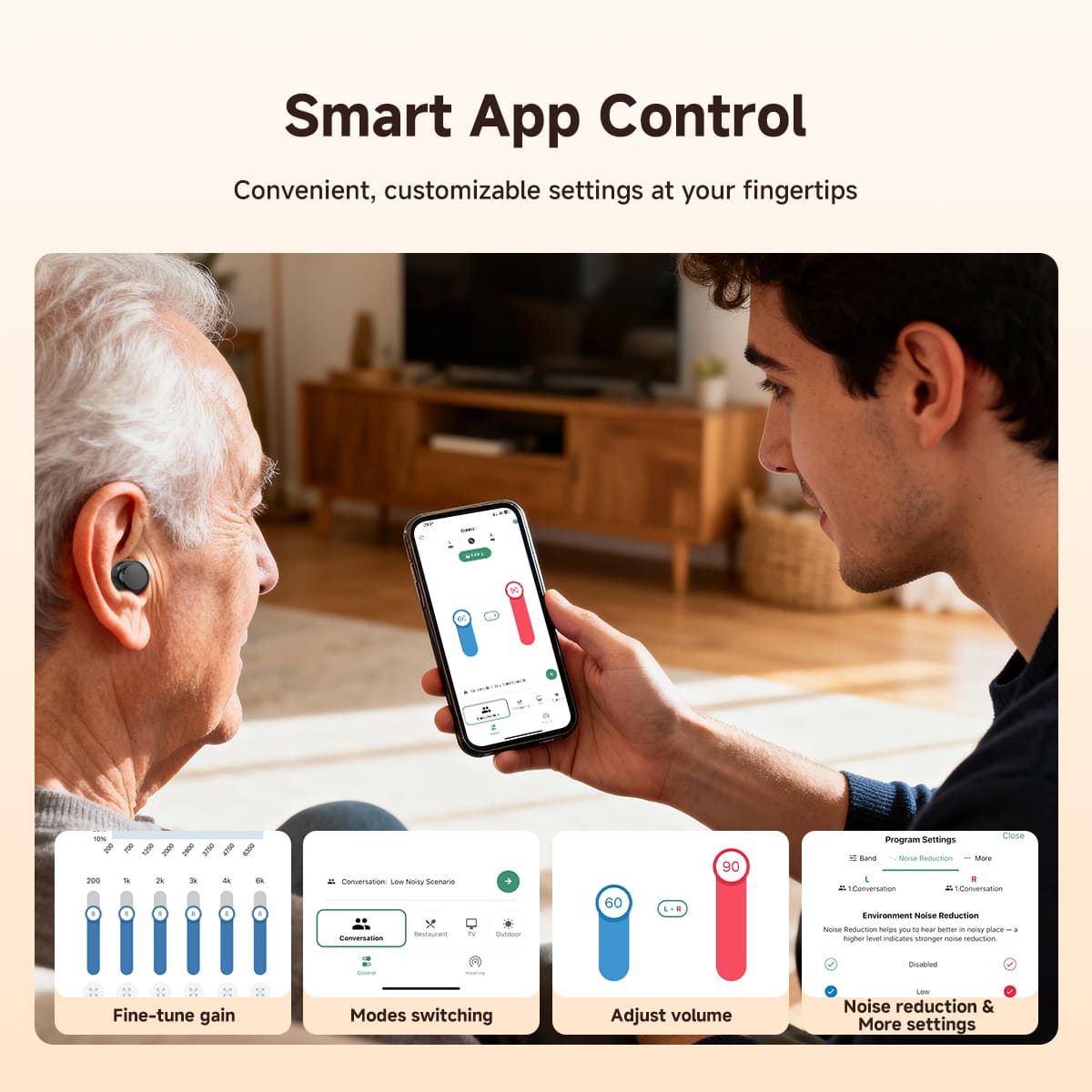
Now there is a smarter solution-a single, nearly invisible CIC hearing aid. It handles conversations, phone calls, and your television. Just one compact charging case, placed conveniently next to your TV speaker. The case's directional microphone picks up the audio and sends it straight to your hearing aids. You hear dialogue clearly at a normal volume, while your spouse enjoys the room at theirs. Peace is restored - not by compromise, but through smart engineering.
This is exactly what Retekess TE103 CIC hearing aids for watching TV offer. It's not a dangerous sound amplifier - it's a professional OTC hearing aid with 16-channel compression and feedback cancellation. One device, two lifestyles. You don't have to buy one device for TV and another for life. That's $2,000+ you don't need to spend.
Reject Hearing Loss Loneliness: Start with "Daring to Hear," Move Toward "Reconnecting"
Hearing the Hustle and Bustle Is Hearing Life Itself
Johns Hopkins University research links untreated hearing loss to a significantly higher risk of dementia3. The 2024 Lancet Commission named hearing loss one of the most important modifiable risk factors - something we can actually act on. Treating it won't guarantee you avoid cognitive decline, but ignoring it is like leaving a small leak in the roof until the whole ceiling caves in.
Reconnecting isn't just about hearing the words-it's about feeling like part of the family again, feeling seen, heard, and loved. This is the true goal of addressing hearing loss: not just better hearing, but a better
quality of life, free from loneliness and isolation.
Retekess TE 103 Hearing Aids Brings You Back to the Center of Your Home
Modern hearing aids are not your grandfather's whistling, bulky "ear trumpets." The Retekess TE103 does three things right.
A professional OTC hearing aid, not a dangerous amplifier.
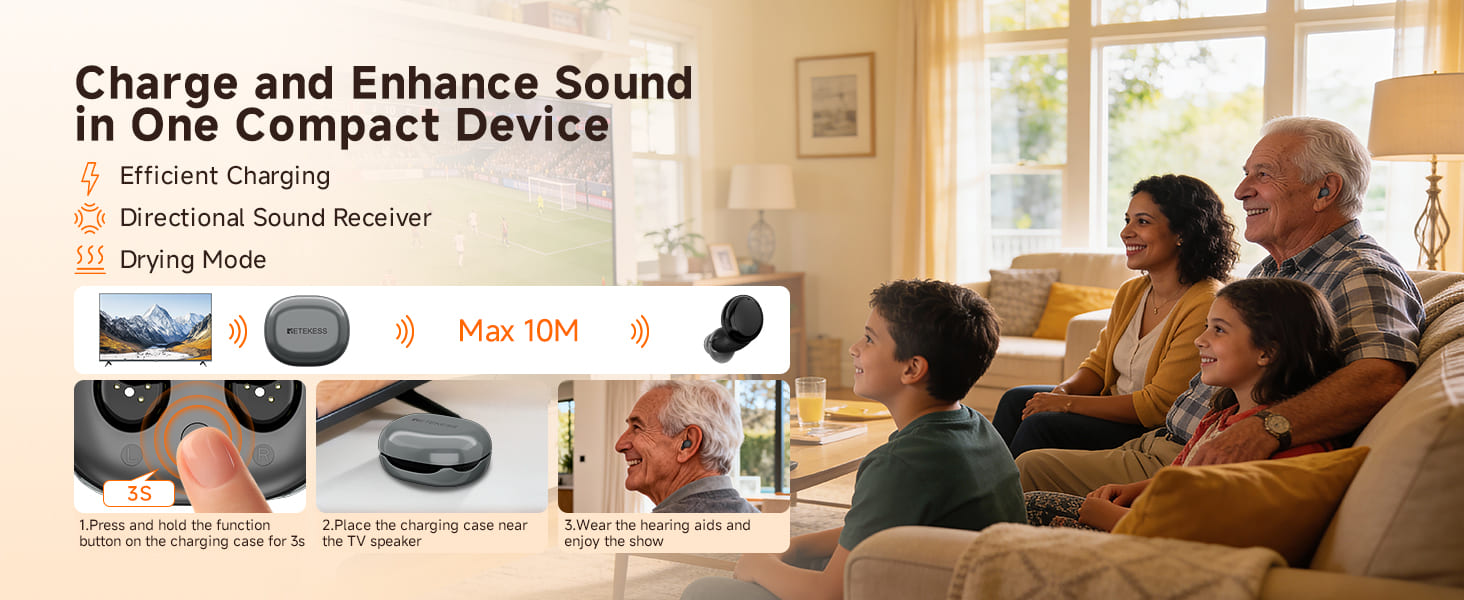
Solves two problems (daily conversation AND TV) with one device.
TE103 CIC Smart OTC Hearing Aid nearly invisible, with app control and Bluetooth.
References
World Health Organization (WHO). "Deafness and hearing loss." Fact sheet, February 2025. (Global estimate: over 430 million people with disabling hearing loss)
National Institute on Deafness and Other Communication Disorders (NIDCD). "Quick Statistics About Hearing." 2025 update. (Prevalence in older adults: ~1 in 3 aged 65-74, nearly 1 in 2 aged 75+)
Johns Hopkins University / Frank Lin, MD, PhD. Research on hearing loss and dementia risk. (Mild hearing loss doubles dementia risk; moderate triples; severe makes it five times more likely)

Comments
There are no customer reviews yet . Leave a Reply !
Leave a Reply