Hearing Aid Domes Guide: How to Choose Open, Closed, Power & Tulip Domes
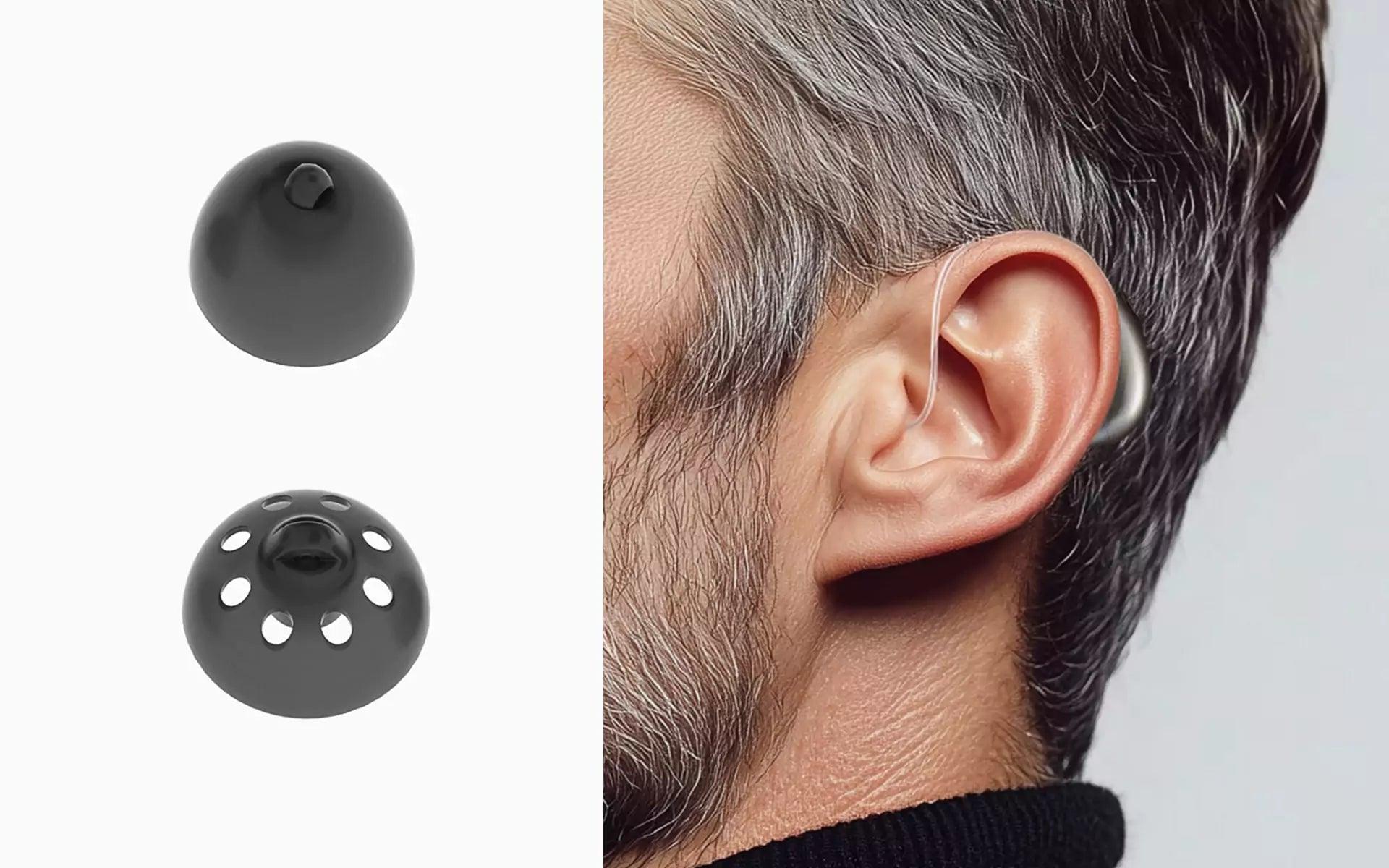
When it comes to optimizing your hearing aid performance, small components can make a big difference. One of the most important—but often overlooked—parts is the hearing aid dome. These tiny, replaceable tips sit on the receiver and channel amplified sound into your ear canal.
Choosing the right dome not only improves sound clarity but also enhances comfort and helps reduce feedback (whistling sounds). In this guide, we will provide a detailed breakdown of the four main types of ear tips—open, closed, power, and tulip—aimed at helping you make the most informed choice based on your specific needs when selecting a hearing aid.
What Are Hearing Aid Domes?
Hearing aid domes are soft silicone tips designed to fit comfortably inside your ear canal. They come in different shapes and sizes to suit varying degrees of hearing loss and ear anatomy.
A well-fitted dome can:
Improve sound quality
Increase wearing comfort
Minimize feedback noise
Ensure proper amplification
-
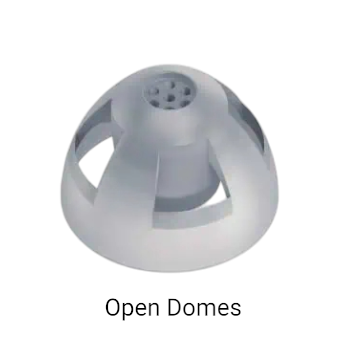
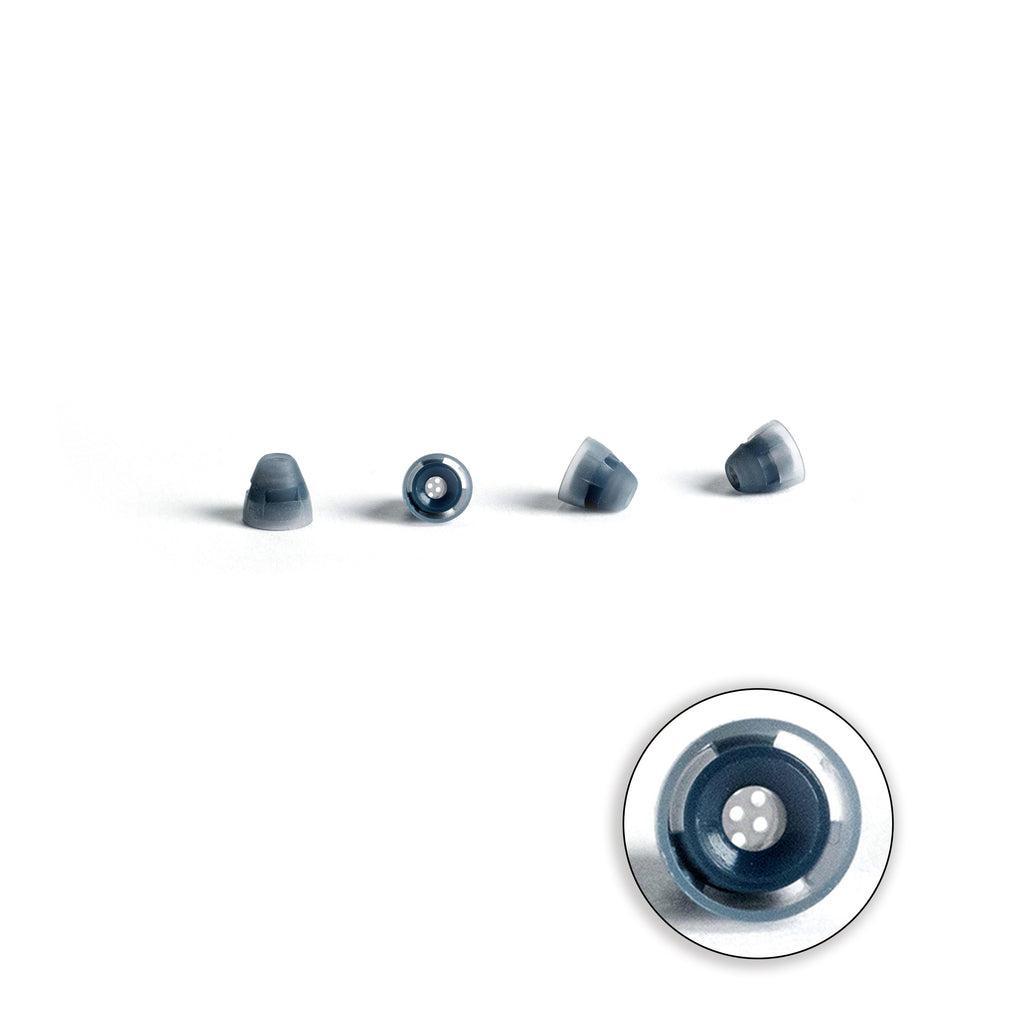
Open Domes
Best for: Mild hearing loss, especially high-frequency loss
Pros:
Allow natural sound (especially low frequencies) to enter the ear
Reduce the “blocked ear” feeling (occlusion effect)
More comfortable for long-term wear
Better ventilation inside the ear canal
Cons:
Less effective for severe hearing loss
More sound leakage → higher risk of feedback
Reduced amplification for low-frequency sounds
-
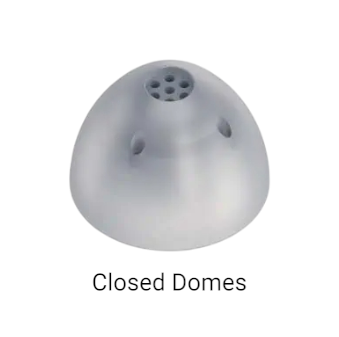
Closed Domes
Best for: Mild to moderate hearing loss
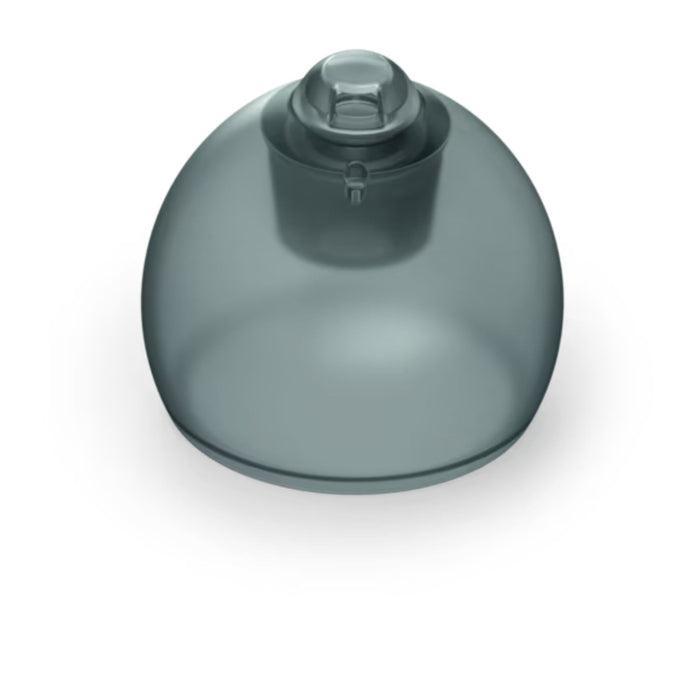
Pros:
Provide better sound retention than open domes
Improve amplification across more frequencies
Reduce sound leakage
More stable in the ear
Cons:
Can create a “plugged” sensation
Less airflow may cause discomfort over time
Slightly more occlusion effect
-
Power Domes
Best for: Moderate to severe hearing loss
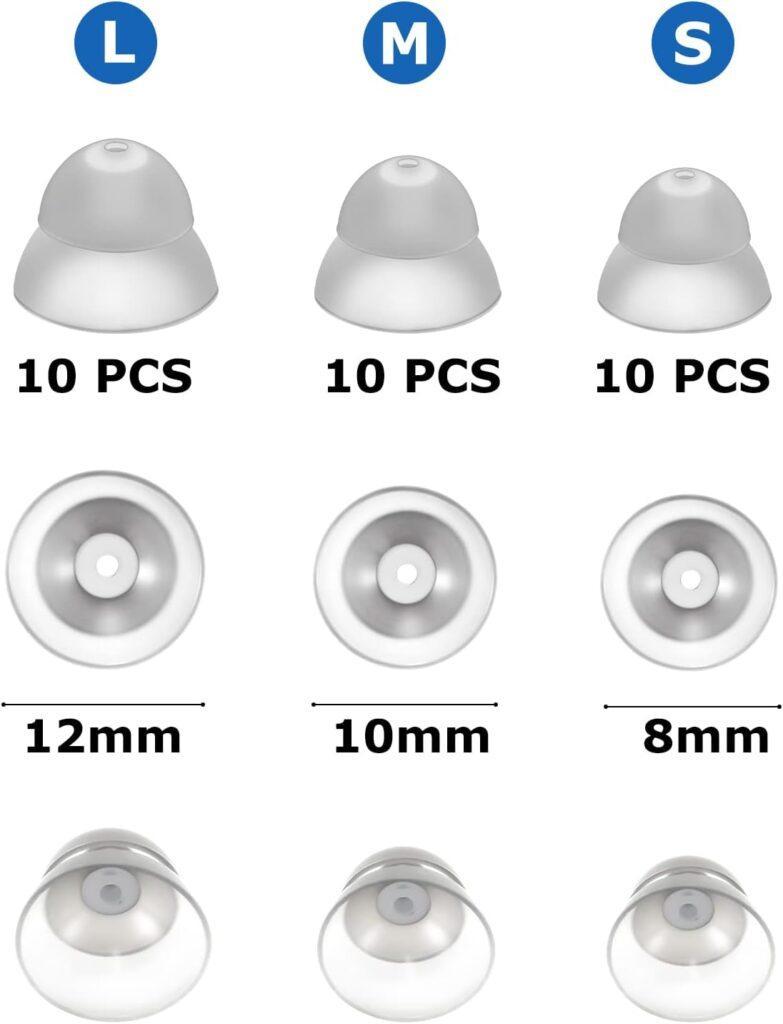
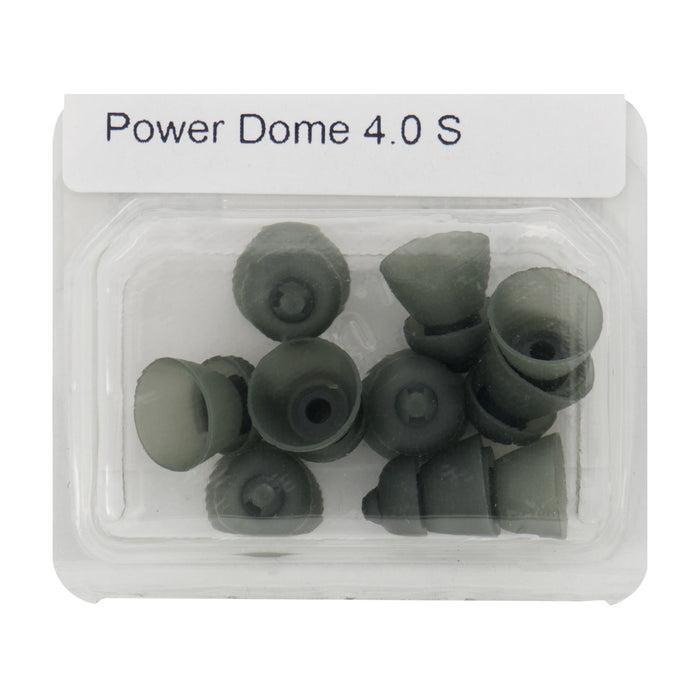
Pros:
Maximum sound amplification
Excellent seal reduces feedback significantly
Ideal for users needing stronger gain
Secure fit inside the ear canal
Cons:
Less breathable, may feel tight
Can increase occlusion effect
Not suitable for users with mild hearing loss
-
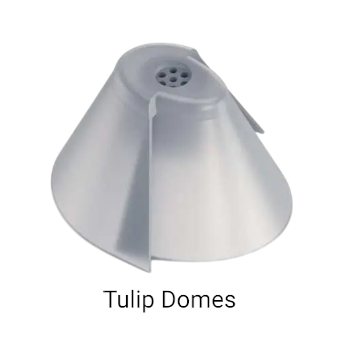
Tulip Domes
Best for: Mild to moderate hearing loss (flexible use)
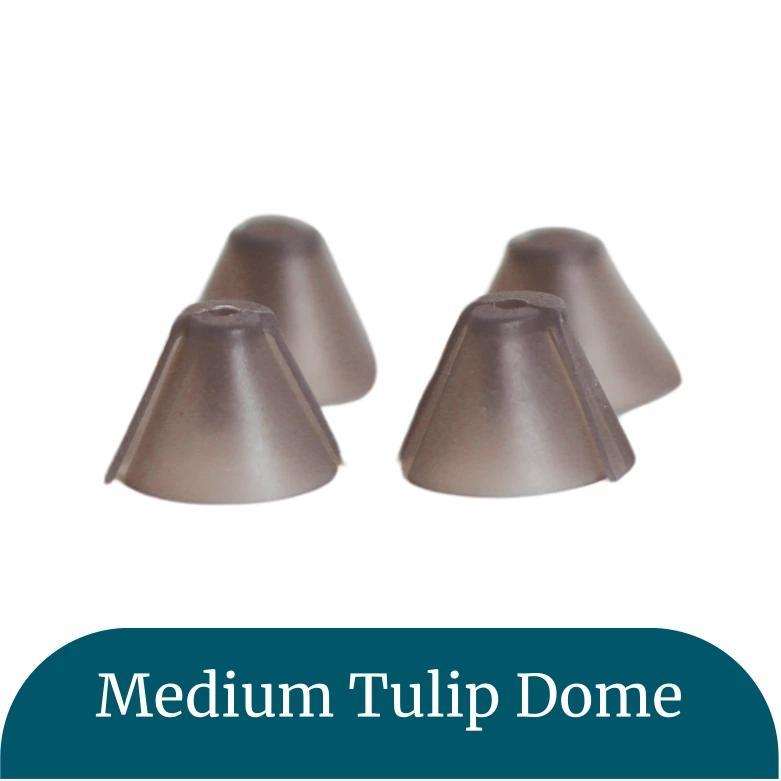
Pros:
Hybrid design (between open and closed)
Flexible petals adapt to ear canal shape
Balanced sound: good clarity + moderate sealing
Comfortable and versatile
Cons:
Not as powerful as power domes
May not fully eliminate feedback in noisy environments
Fit may vary depending on ear shape
When selecting hearing aid domes, consider the following:
- Degree of Hearing Loss
Mild → Open or Tulip
Moderate → Closed or Tulip
Severe → Power
- Comfort & Fit
Individuals suffering from varying degrees of hearing loss often need to wear hearing aids for extended periods—particularly during the winter when wearing hats or while indoors—making wearing comfort absolutely crucial.
- Feedback Issues
If you notice whistling, switching to a more closed design (Closed or Power dome) can help.
- Lifestyle Needs
Quiet environments → Open domes
Noisy or active settings → Closed or Power domes
Final Thoughts
Selecting the right hearing aid dome can dramatically improve your listening experience. Whether you prefer the natural feel of open domes, the balanced performance of tulip domes, or the powerful amplification of power domes, the right choice depends on your hearing profile and daily needs.
If you are unsure about this, the best approach is to consult a hearing care professional to try on and test different types and sizes of earplugs.

Comments
There are no customer reviews yet . Leave a Reply !
Leave a Reply