OTC Hearing Aid Market Keeps Growing: Three Driving Forces You Can't Ignore
Bluetooth hearing aids are having a serious moment right now. If you've been keeping an eye on the hearing health industry, you've probably noticed the buzz. But what's really fueling this surge? Let's dig into the three powerhouse drivers that are pushing the Bluetooth hearing aid market forward—and trust me, they're more exciting than you might think.
The Bluetooth Revolution Is Louder Than Ever
The Bluetooth hearing aid market is booming, and the numbers tell a compelling story. More people than ever are choosing bluetooth hearing aid devices, and the reasons go far beyond simple hearing loss correction. This is a market shaped by technology, demographics, and a cultural shift in how we view hearing health.
The bluetooth hearing aid market started as a niche medical device but has transformed into a mainstream wellness product that people actually want to wear. It now sits at the intersection of healthcare and consumer electronics, attracting attention from tech giants, healthcare providers, and everyday consumers alike.
Driver #1: An Aging Population That's Refusing to Stay Silent
We're all getting older. But today's seniors are not the same quiet, accepting generation of the past. Baby boomers are hitting their golden years with swagger, and they're demanding better solutions for age-related hearing loss. This demographic wave is lifting every boat in the hearing aid harbor.
The World Health Organization reports that over 430 million people worldwide live with disabling hearing loss, and that number is climbing fast. By 2050, we're looking at nearly 2.5 billion people with some degree of hearing impairment. That's a massive market opportunity knocking at the door.
But what makes this driver truly powerful is that modern seniors aren't settling for clunky, embarrassing devices. They want sleek, effective technology that fits their active lifestyles. Bluetooth hearing aids have evolved to meet this demand, becoming smaller, smarter, and more discreet than ever before. It's like comparing a bulky 1990s cell phone to today's smartphone—night and day.
Driver #2: Technology That Sounds Like Science Fiction
Remember when hearing aids just made things louder? Those days are ancient history. Today's otc hearing aid devices are miniature computers packed with artificial intelligence, Bluetooth connectivity, and rechargeable batteries that last all day. We're talking about gadgets that can stream music, take phone calls, and even translate languages in real-time.
The technology leap in otc hearing aids is like jumping from a bicycle to a Tesla. Modern devices use directional microphones to focus on speech while filtering out background noise. They learn your preferences over time, automatically adjusting settings based on your environment. Walking into a noisy restaurant? Your otc hearing aid device has already optimized itself before you even sit down.
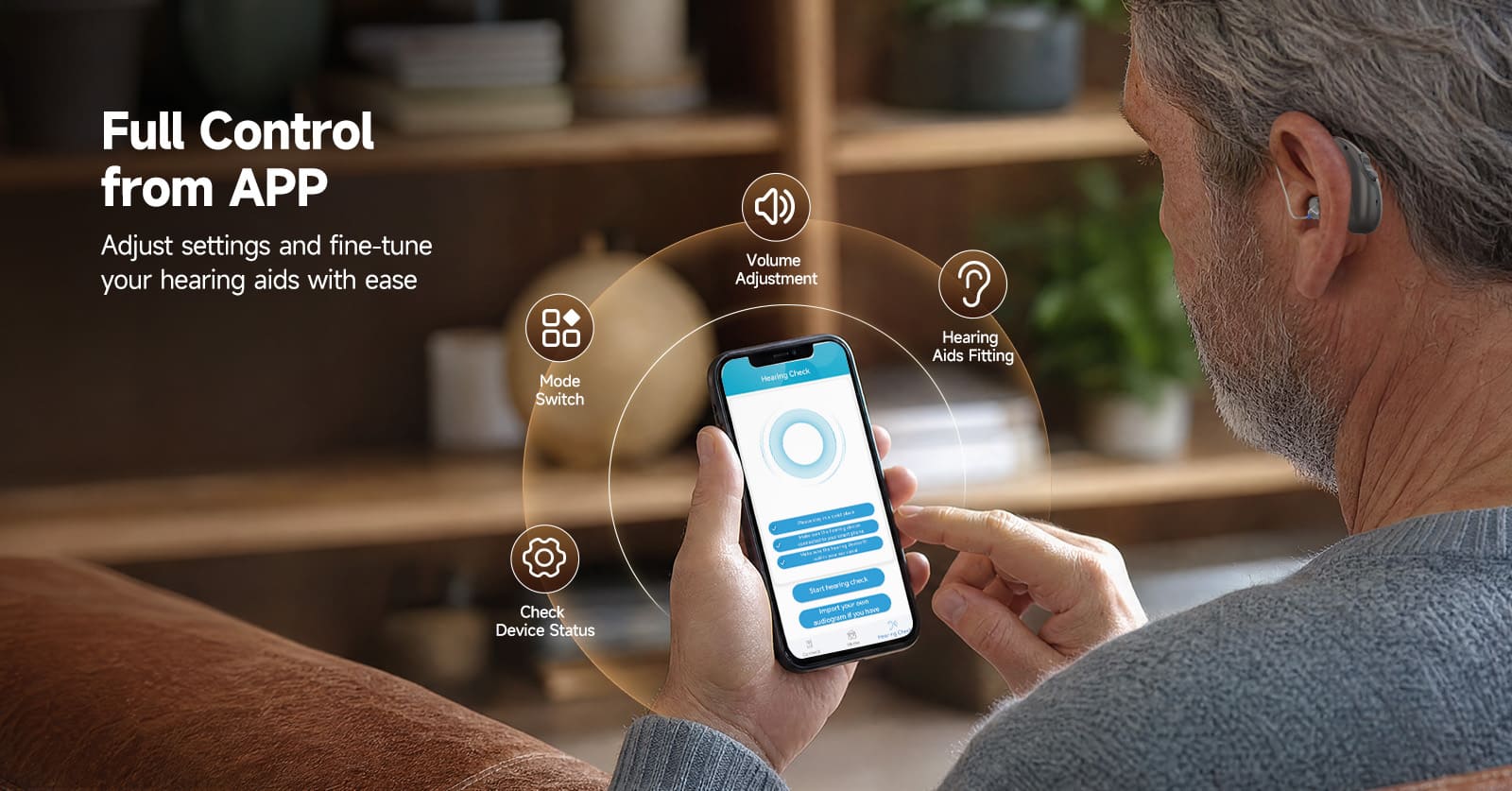
And let's not forget connectivity. These devices now sync seamlessly with smartphones, TVs, and smart home systems. You can adjust volume, change programs, and even locate a lost hearing aid through an app. It's not just hearing assistance anymore—it's a full-fledged wearable tech experience.
Driver #3: Changing Perceptions and Reduced Stigma
There was a time when wearing a hearing aid carried a heavy social stigma. People associated it with weakness, old age, or disability. But that narrative is crumbling faster than a sandcastle at high tide.
Celebrities are openly discussing their hearing loss. Athletes are wearing otc hearing aids during games. Younger people are using hearing protection and amplification devices as preventive measures. The conversation around hearing health has shifted from shame to empowerment. It's become normalized, even trendy in some circles.
This cultural shift is massive for market growth. When people feel comfortable seeking help, they actually do it. When hearing aids are seen as smart accessories rather than medical crutches, adoption rates soar. The stigma reduction is like removing a locked door—suddenly, everyone has access to the room.
Moreover, over-the-counter (OTC) hearing aid regulations in markets like the United States have democratized access. People can now purchase certain devices without prescriptions, lowering barriers and expanding the customer base. It's hearing health for the masses, and bluetooth hearing aids are leading the charge because of their versatility and ease of use.
The Ripple Effects: What This Growth Means for Everyone
So we've got aging demographics, mind-blowing technology, and evaporating stigma. But what happens when these three forces collide? You get a market that's not just growing—it's transforming entire industries.
Healthcare providers are expanding their audiology services. Insurance companies are increasingly covering hearing devices. Tech giants are entering the space, bringing fresh innovation and competition. Consumers win because prices become more competitive and features keep improving. It's a virtuous cycle that benefits everyone involved.
Think of it as a three-legged stool. Remove any one leg—demographics, technology, or perception—and the whole thing wobbles. But with all three firmly in place, the bluetooth hearing aid market has a rock-solid foundation for sustained growth.
Real Innovation in Action: A Closer Look at What's Possible
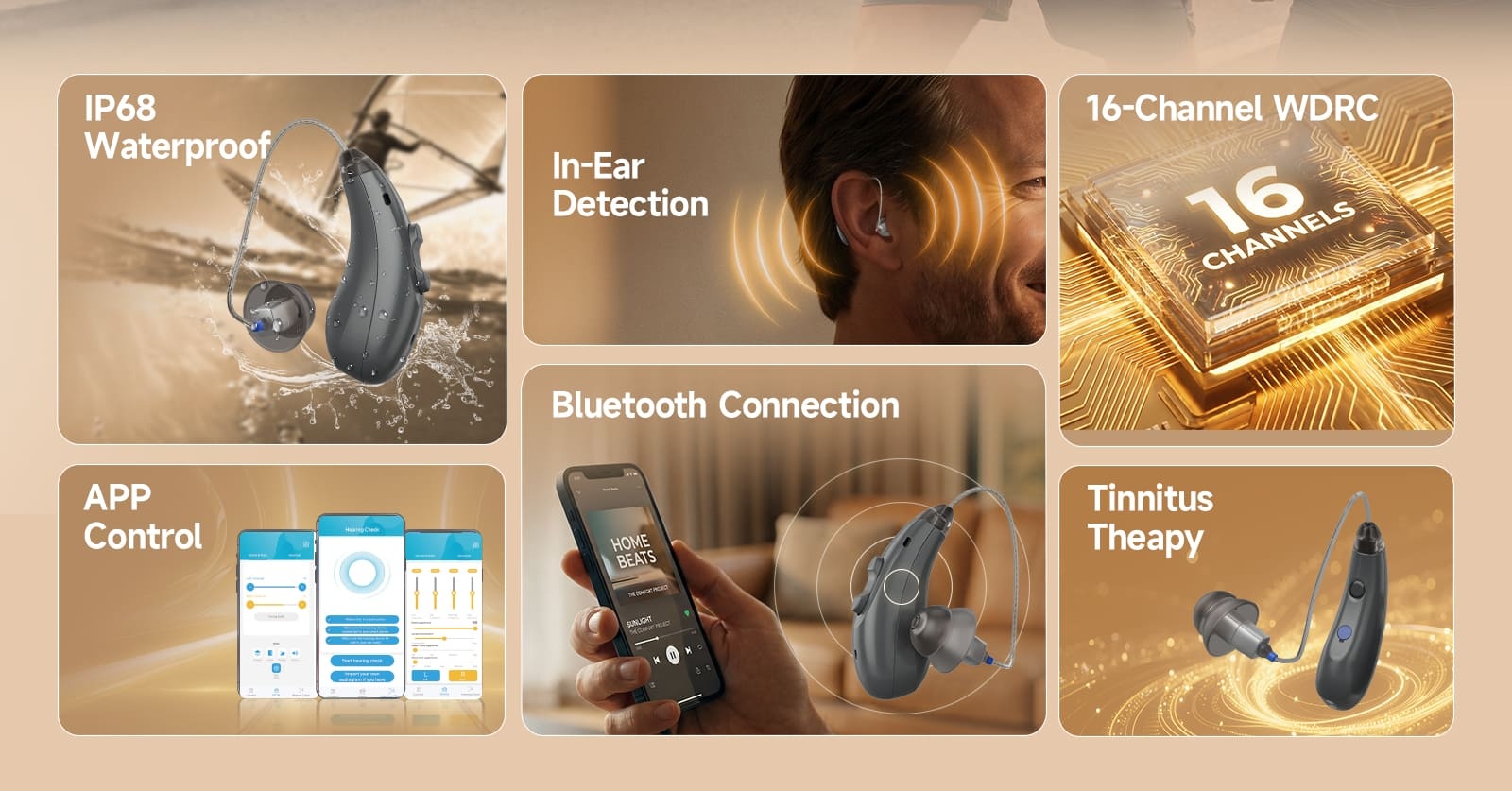
As the over-the-counter (OTC) hearing aid sector gains strong momentum, manufacturers are continually pushing the boundaries of what these devices can do. Retekess products serve as a prime example of this trend. Equipped with 16-channel WDRC (Wide Dynamic Range Compression) technology, they feature automatic sound source tracking, Bluetooth connectivity, and a tinnitus masking mode. This means the device does more than simply amplify sound; it actively analyzes and adapts to your acoustic environment in real time.
Battery life is another standout feature of this model. A single charge supports up to 14 hours of continuous use, while the charging case—equipped with a digital display—extends the total runtime to 84 hours. This eliminates the need to constantly hunt for power outlets. For users who once struggled with the hassle of replacing tiny disposable batteries, the convenience of this rechargeable design significantly enhances their quality of life.
Products like the TE105 stand out because they embody three key factors driving market growth: user-centric designs tailored to an aging population; the use of cutting-edge DSP (Digital Signal Processing) and multi-channel processing technologies; and accessible pricing strategies that make hearing aids feel like approachable consumer products rather than cold, clinical medical devices. It is precisely this kind of innovation that is fueling the year-over-year expansion of the OTC hearing aid market.
Looking Ahead: The Future Sounds Bright
Where is this all heading? If current trends are any indication, we're just getting started. OTC hearing aids will likely become even more integrated with health monitoring systems, tracking everything from heart rate to fall detection. They might serve as early warning systems for cognitive decline, given the well-documented link between hearing loss and dementia.
The devices themselves will continue shrinking while their capabilities expand. Imagine a hearing aid that's practically invisible but can stream high-fidelity audio, translate conversations instantly, and monitor your overall health. We're closer than you think.
Wrapping Up: Three Takeaways to Remember
The OTC hearing aid market isn't just growing by accident—it's being propelled by three unstoppable forces:
First, our aging population is larger, more active, and more demanding than ever before. They want solutions that work with their lifestyles, not against them.
Second, technology has turned hearing aids from simple amplifiers into sophisticated smart devices. The gap between medical equipment and consumer electronics has virtually disappeared.
Third, the old stigma around hearing loss is fading into history. People now see hearing aids as tools of empowerment, not symbols of decline.
Together, these drivers create a perfect storm of market opportunity. Whether you're an investor eyeing the healthcare sector, a healthcare professional preparing for increased demand, or simply someone interested in the future of wearable technology, the OTC hearing aid market deserves your attention.
The sound of progress is getting louder—and it's coming from behind the ear.

Comments
There are no customer reviews yet . Leave a Reply !
Leave a Reply